
Introduction
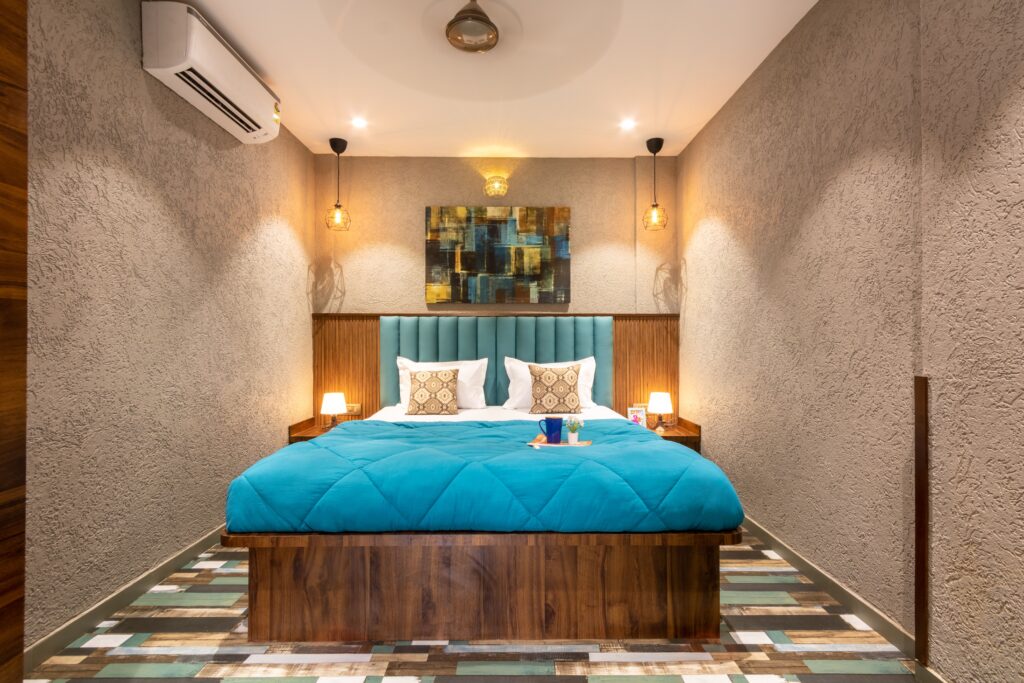
Your room is more than just four walls and a ceiling—it’s your personal sanctuary, workspace, relaxation zone, and reflection of your personality. Whether you’re designing a bedroom, living room, study room, or guest room, thoughtful interior designing can transform an ordinary space into a stylish, comfortable, and highly functional environment.
In today’s modern homes, interior designing for rooms is not just about aesthetics; it’s about optimizing space, enhancing comfort, improving functionality, and creating an atmosphere that suits your lifestyle. From selecting the right color palette to choosing furniture, lighting, and décor, every design decision contributes to the overall feel of the room.
In this comprehensive guide, we’ll explore the best room interior design ideas, trends, tips, and expert strategies to help you create the perfect space.
What is Interior Designing for a Room?
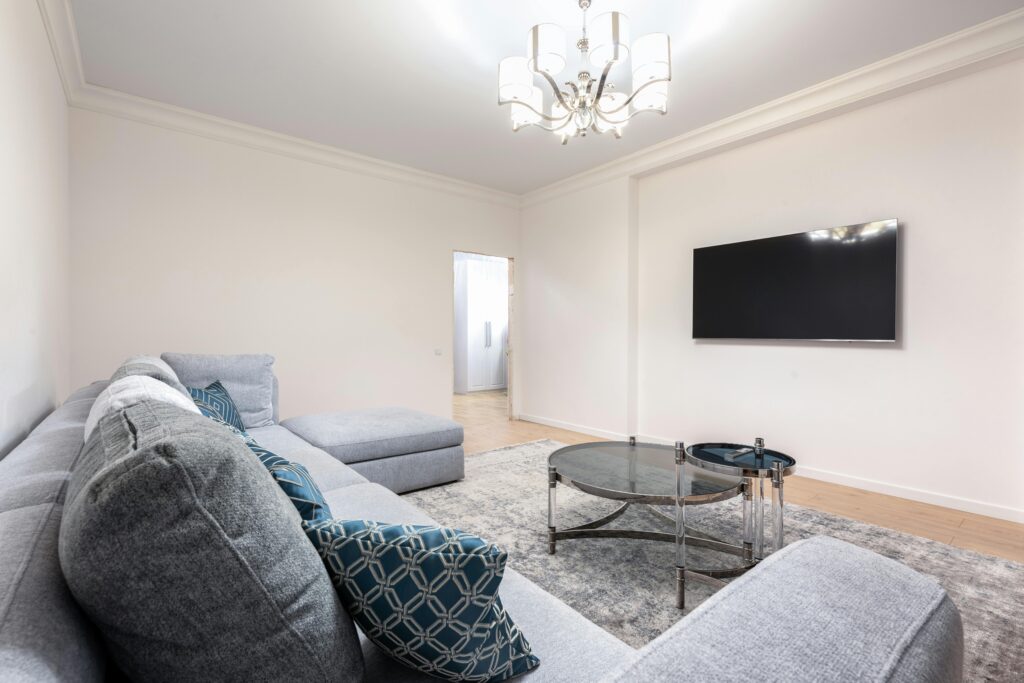
Interior designing for a room involves planning and arranging elements such as furniture, colors, lighting, textures, décor, and space utilization to create an attractive and functional environment.
A well-designed room should:
- Reflect your personality
- Maximize available space
- Improve comfort and usability
- Create visual harmony
- Enhance property value
- Support your daily lifestyle needs
Professional interior designers consider every aspect of a room, from floor plans and lighting layouts to furniture placement and decorative accessories.
Why Room Interior Design Matters
Many homeowners underestimate the impact of good interior design. A thoughtfully designed room can significantly improve both aesthetics and functionality.
Benefits of Professional Room Interior Design
Better Space Utilization
Effective space planning ensures every square foot serves a purpose without making the room feel crowded.
Improved Comfort
Proper furniture placement, lighting, and ventilation create a comfortable living environment.
Enhanced Aesthetics
Beautiful interiors make rooms visually appealing and create a welcoming atmosphere.
Increased Property Value
Well-designed interiors can increase the resale and rental value of your property.
Better Organization
Smart storage solutions help keep rooms clutter-free and organized.
Key Elements of Interior Designing for a Room
1. Room Layout and Space Planning
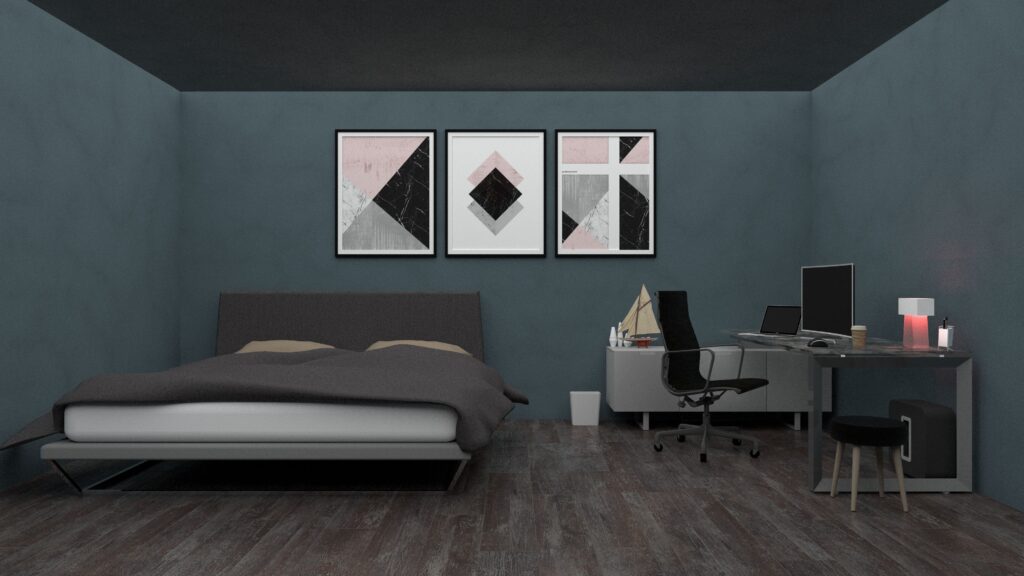
The foundation of every successful room design starts with proper space planning.
Consider:
- Room dimensions
- Traffic flow
- Furniture placement
- Storage requirements
- Window and door positions
Avoid overcrowding the room with unnecessary furniture. Focus on creating a balanced layout that promotes easy movement and functionality.
2. Choosing the Right Color Palette
Colors influence mood, perception, and the overall ambiance of a room.
Popular Room Color Schemes
Neutral Colors
- Beige
- White
- Cream
- Gray
Perfect for modern and minimalist interiors.
Warm Colors
- Terracotta
- Mustard
- Peach
- Warm brown
Create a cozy and inviting atmosphere.
Cool Colors
- Blue
- Green
- Lavender
Ideal for bedrooms and relaxation spaces.
Expert Tip
Use the 60-30-10 rule:
- 60% dominant color
- 30% secondary color
- 10% accent color
This creates visual balance and harmony.
Furniture Selection for Room Interiors
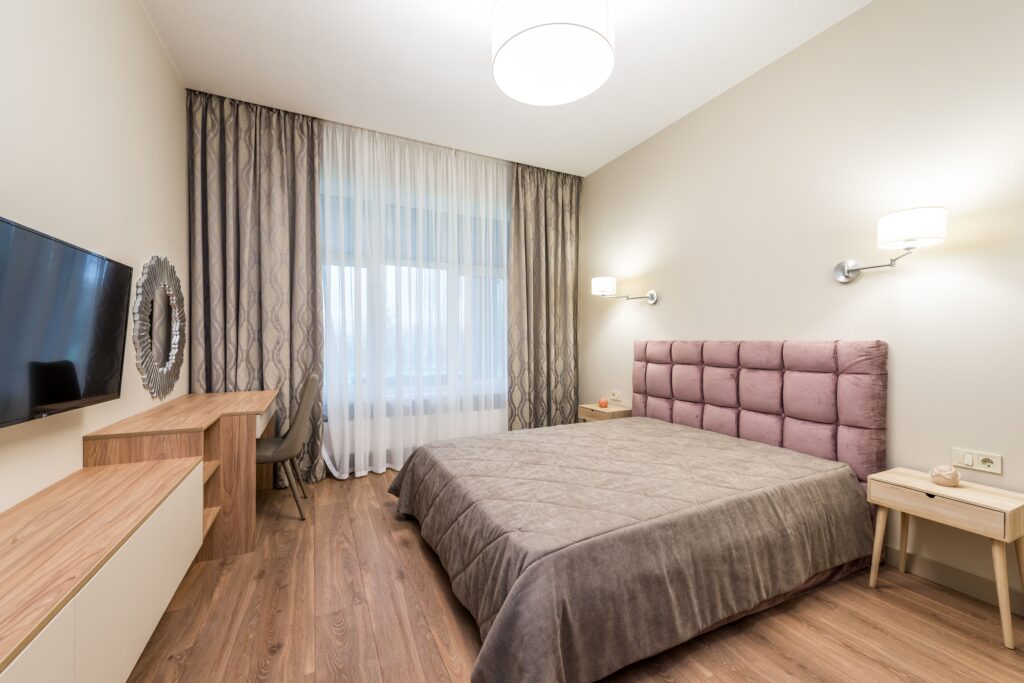
Furniture plays a crucial role in defining the style and functionality of a room.
How to Choose the Right Furniture
Prioritize Functionality
Choose furniture that meets your practical needs.
Consider Room Size
Large furniture can overwhelm small rooms, while tiny pieces may look disproportionate in larger spaces.
Invest in Quality
Durable and high-quality furniture offers long-term value and better aesthetics.
Multi-Functional Furniture
Perfect for compact spaces:
- Storage beds
- Foldable desks
- Sofa cum beds
- Nesting tables
Lighting Design for Rooms
Lighting is one of the most important yet often overlooked aspects of interior design.
Types of Lighting
Ambient Lighting
Provides overall room illumination.
Examples:
- Ceiling lights
- Chandeliers
- Recessed lights
Task Lighting
Designed for specific activities.
Examples:
- Study lamps
- Reading lights
- Desk lighting
Accent Lighting
Highlights architectural features and décor.
Examples:
- Wall sconces
- LED strips
- Spotlights
Natural Lighting
Maximize sunlight through large windows and light-colored curtains.
Bedroom Interior Designing Ideas
The bedroom should promote relaxation and comfort.
Modern Bedroom Design Tips
Use Soft Color Tones
Neutral shades help create a peaceful atmosphere.
Invest in Comfortable Bedding
Quality mattresses and bedding improve sleep quality.
Add Layered Lighting
Combine ambient, task, and accent lighting.
Create Smart Storage Solutions
Use:
- Under-bed storage
- Built-in wardrobes
- Floating shelves
Incorporate Personal Touches
Add artwork, family photos, and decorative accents.
Living Room Interior Design Ideas
The living room is often the focal point of a home.
Best Practices for Living Room Design
Create a Focal Point
Examples include:
- TV unit
- Fireplace
- Statement artwork
- Feature wall
Balance Furniture Arrangement
Encourage conversation and comfortable seating.
Use Area Rugs
Define zones and add warmth.
Introduce Greenery
Indoor plants improve aesthetics and air quality.
Small Room Interior Design Tips
Designing a small room requires strategic planning.
Space-Saving Ideas
Use Vertical Storage
Install wall shelves and cabinets.
Choose Light Colors
Light shades create the illusion of a larger room.
Install Mirrors
Mirrors reflect light and make rooms appear spacious.
Opt for Multi-Purpose Furniture
Furniture with built-in storage helps maximize space.
Keep Décor Minimal
Avoid excessive decorative items that create clutter.
Latest Trends in Room Interior Designing
Minimalist Interior Design
Less clutter, clean lines, and functional furniture.
Scandinavian Design
Natural materials, neutral colors, and simplicity.
Sustainable Interiors
Eco-friendly materials and energy-efficient solutions.
Smart Home Integration
Smart lighting, voice-controlled devices, and automated systems.
Biophilic Design
Bringing nature indoors through plants and natural textures.
Common Interior Design Mistakes to Avoid
Ignoring Lighting
Poor lighting can ruin even the most beautiful room design.
Overcrowding the Space
Too much furniture makes rooms feel cramped.
Choosing Style Over Comfort
Balance aesthetics with functionality.
Lack of Storage Planning
Insufficient storage leads to clutter.
Following Trends Blindly
Focus on timeless design elements that suit your lifestyle.
Why Hire a Professional Interior Designer?
A professional interior designer brings expertise, creativity, and technical knowledge to your project.
Benefits include:
- Personalized design solutions
- Space optimization
- Budget management
- Material selection expertise
- Access to trusted vendors
- Professional project execution
Hiring an expert helps avoid costly mistakes and ensures a polished final result.
Conclusion
Interior designing for a room is about creating a space that combines beauty, comfort, and functionality. Whether you’re renovating an existing room or designing a new one, thoughtful planning, smart furniture choices, proper lighting, and cohesive décor can dramatically transform your living environment.
From modern minimalist bedrooms to luxurious living rooms and compact spaces, the right interior design approach can enhance your daily lifestyle while increasing the value of your property. Investing in professional room interior design ensures every element works together to create a space you’ll enjoy for years to come.
If you’re planning a room makeover, start by understanding your needs, defining your style, and focusing on both aesthetics and functionality. The result will be a room that not only looks stunning but also feels like home. Feel free to contact us for any assistance.