
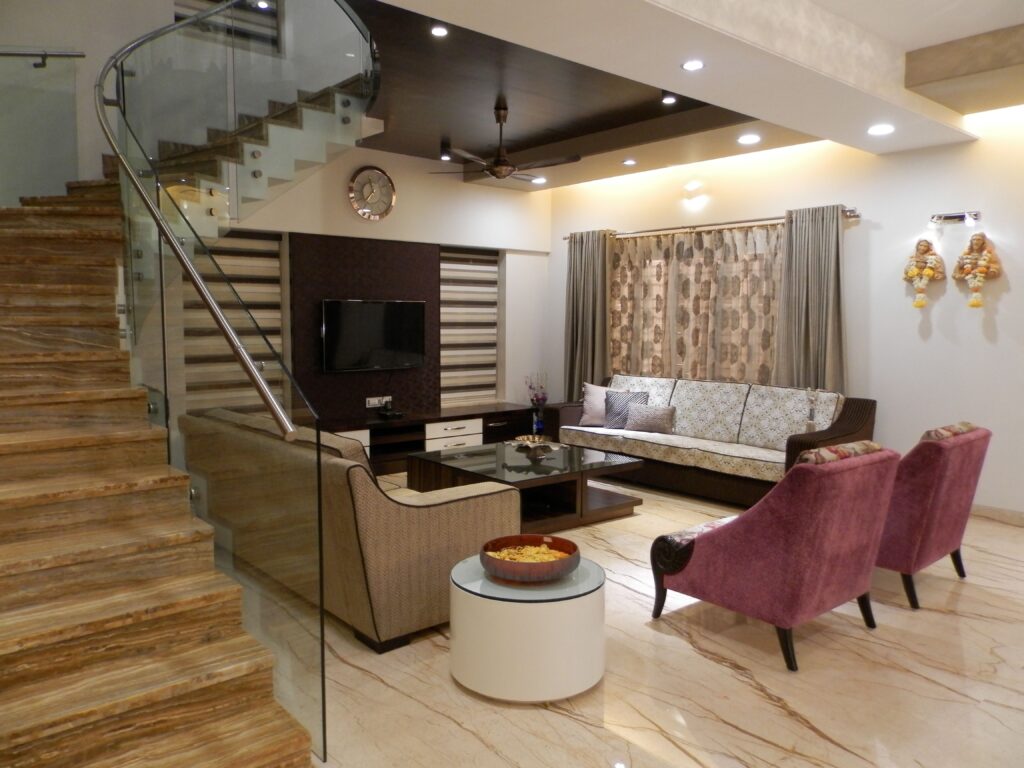
Delhi is a city of contrasts — sprawling farmhouses in Chhattarpur, compact apartments in Dwarka, heritage bungalows in Civil Lines, and high-rise flats in Gurugram’s neighboring pockets. No two homes here are the same, and neither are the people who live in them. That’s exactly why “one-size-fits-all” design doesn’t work in this city, and why finding the right interior designer in Delhi matters more than most homeowners realize.
If you’ve started Googling designers, scrolling Instagram portfolios, or asking neighbours for referrals, you already know the problem: everyone claims to be the best. This guide breaks down what actually separates a good interior designer from a great one, what the process should look like, and how to avoid the common mistakes Delhi homeowners make when hiring one.
Why Delhi Homes Need a Different Design Approach
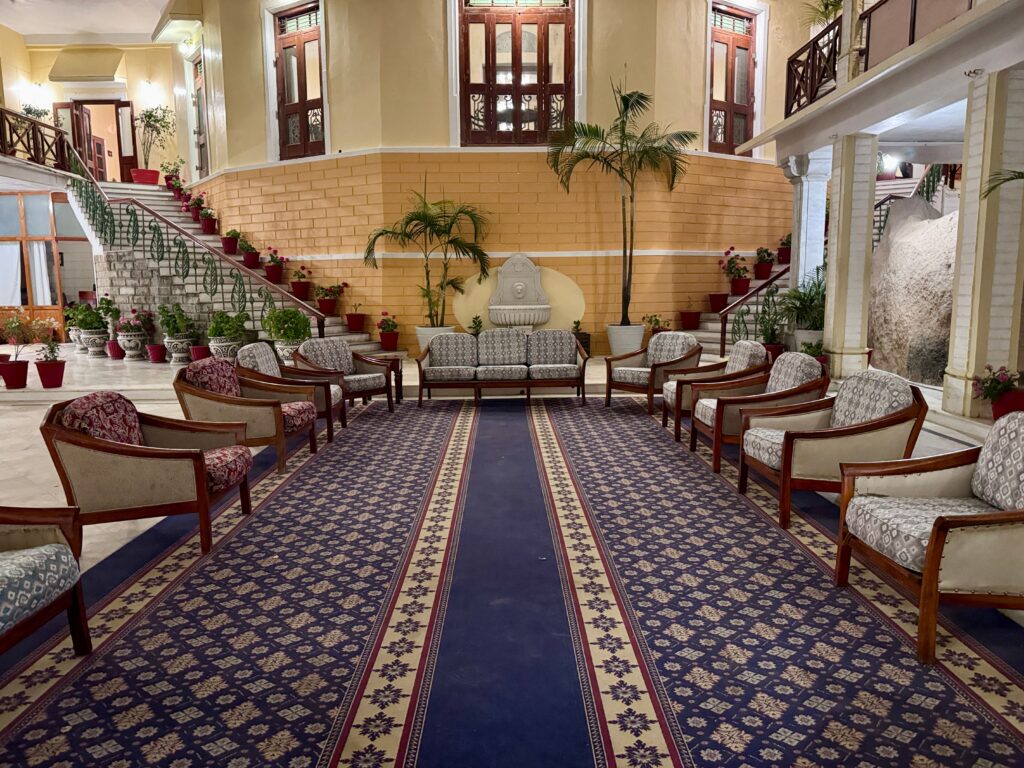
Delhi’s climate alone makes design decisions tricky. Summers push 45°C, winters bring smog and cold snaps, and monsoon humidity affects everything from wood finishes to fabric choices. A designer unfamiliar with these conditions might recommend materials that warp, fade, or need replacing within a year.
There’s also the space factor. Many Delhi homes — especially in South Delhi, Rohini, or Vasant Kunj — deal with narrow layouts, low ceiling heights in older buildings, or awkward corners from illegal extensions common in older constructions. A designer who understands local building patterns can work around these constraints instead of fighting them.
Finally, there’s culture. Indian households often need flexible spaces — a living room that turns into a puja area during festivals, storage for bulk kitchen supplies, or a guest room that doubles as a home office. Good interior designers in Delhi build this flexibility in from day one, rather than treating your home like a Western minimalist showroom.
What to Look For in an Interior Designer
1. A portfolio that matches your space type If you live in a 2BHK apartment, a designer whose portfolio is full of 5,000 sq. ft. villas may not have hands-on experience solving your specific space problems. Look for designers who’ve worked on homes similar in size and structure to yours.
2. Transparent, itemized pricing Delhi’s interior design market has a wide price range — anywhere from ₹150 per sq. ft. for basic execution to ₹3,000+ per sq. ft. for luxury full-service design. Be wary of designers who give vague verbal quotes instead of a detailed breakdown covering design fees, material costs, labor, and vendor markups.
3. Clear process and timelines A professional designer should walk you through distinct phases: consultation, concept design, 3D visualization, material selection, execution, and handover. If a designer can’t explain their process clearly, that’s often a sign the project will be chaotic later.
4. Local vendor and contractor relationships Delhi’s furniture and material markets — Kirti Nagar, Chawri Bazar, Netaji Subhash Place — each have specialties. Designers with established local vendor relationships usually get better pricing and faster turnaround than those sourcing everything through generic online catalogs.
5. Reviews that mention post-project support Anyone can make a beautiful mood board. What matters more is what happens after installation — does the designer address snags, touch-ups, or warranty issues? Check reviews specifically for how disputes or defects were handled.
Common Mistakes Homeowners Make
Hiring based on Instagram aesthetics alone. A beautifully styled photo doesn’t tell you whether the project stayed on budget, finished on time, or held up after six months. Ask for references you can actually call.
Skipping the site visit stage. Some designers offer to “design remotely” using only photos and measurements you send over. For anything beyond minor decor changes, an in-person site visit is essential to catch real constraints — electrical points, load-bearing walls, natural light direction, and so on.
Not clarifying who owns the design files. If you ever want to switch contractors mid-project or revisit the design later, you need clarity on whether you own the 3D files, drawings, and material specifications, or whether they stay with the designer.
Choosing the cheapest quote without checking scope. A dramatically lower quote often means cheaper materials, subcontracted labor, or hidden costs added later. Always compare quotes item-by-item, not just as a final number.
Questions to Ask Before You Hire interior designer
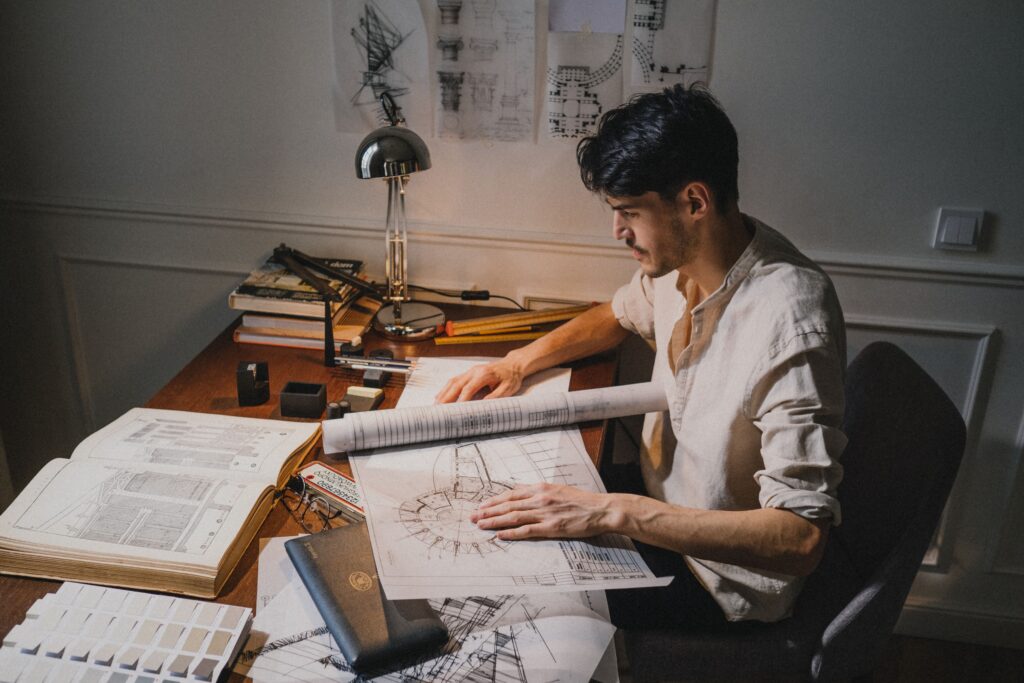
- Can you show me a project of similar size and budget to mine?
- What is included in your design fee, and what is charged separately?
- How do you handle cost overruns or material unavailability mid-project?
- Who manages the on-ground execution — your team or a subcontractor?
- What is your average project timeline, and what happens if there’s a delay?
A interior designer who answers these clearly and without hesitation is usually one worth trusting.
Budget Ranges to Expect in Delhi (2026)
While every project varies, here’s a rough sense of what Delhi homeowners typically budget for full-service interior design:
- Basic/Budget Design: ₹150–₹400 per sq. ft. — functional finishes, limited customization
- Mid-Range Design: ₹500–₹1,200 per sq. ft. — good quality materials, semi-custom furniture
- Premium/Luxury Design: ₹1,500–₹3,500+ per sq. ft. — fully custom furniture, imported materials, detailed finishes
These numbers shift based on whether you’re doing a single room, a full home, or a commercial space, so always request a project-specific estimate rather than relying on general figures.
Final Thoughts
The right interior designer doesn’t just make your home look good in photos — they solve real problems specific to your space, your climate, and your lifestyle. In a city as diverse as Delhi, that local understanding is not optional; it’s the difference between a home that functions beautifully for years and one that needs constant fixing.
Take your time during the selection process. Ask for references, request detailed quotes, and choose a interior designer whose portfolio genuinely reflects the kind of space and budget you’re working with. A well-chosen designer isn’t an expense — it’s an investment in a home that finally works the way you need it to.
Looking for an interior designer in Delhi who understands your space, budget, and timeline? [Book a free consultation] to discuss your project.