
Table of Contents
Your room is more than just four walls, furniture, and décor. It is the space where you relax, work, spend time with family, and create everyday memories. That is why room interior designing plays an important role in making your home comfortable, functional, and visually appealing.
A well-designed room combines aesthetics with practicality. From choosing the right color palette and furniture to planning lighting, storage, and décor, every element contributes to the overall look and feel of the space.
Whether you are planning a new home or renovating an existing room, the right interior design can completely transform your space.
What Is Room Interior Designing?
Room interior designing is the process of planning and designing a room according to its size, purpose, lifestyle, and aesthetic preferences.
It involves several elements, including:
- Space planning
- Furniture selection
- Wall colors and finishes
- Lighting
- Flooring
- Curtains and soft furnishings
- Storage solutions
- Decorative elements
- Customized furniture
- Artwork and accessories
The goal is not simply to make a room look attractive. A good interior design should make the room comfortable, functional, organized, and visually balanced.
Why Is Room Interior Designing Important?
Many homeowners believe that interior design is only about expensive furniture and beautiful décor. In reality, professional design is about using your available space intelligently.
1. Better Use of Space
A professionally planned room makes efficient use of every available corner. This is especially important for apartments and compact homes where space is limited.
Smart furniture placement, built-in storage, multifunctional furniture, and appropriate layouts can make a small room feel more spacious.
2. Improved Functionality
Every room has a different purpose. A bedroom should feel relaxing, while a living room should be comfortable for family gatherings and guests.
Room interior designing considers how you actually use the space and creates a layout around your daily activities.
3. Personalized Aesthetics
Your home should reflect your personality and lifestyle. Whether you prefer minimalist, contemporary, modern luxury, traditional, or Scandinavian interiors, your room can be customized according to your preferences.
4. Organized Storage
Clutter can make even a beautiful room look messy. Customized wardrobes, cabinets, shelves, TV units, and hidden storage can help keep your belongings organized without compromising the design.
5. Increased Comfort
The right combination of furniture, lighting, colors, textures, and layout can make your room feel more comfortable and inviting.
Popular Room Interior Design Ideas
If you are planning your interiors, here are some ideas that can help you create a stylish and functional space.
1. Minimalist Room Interior
Minimalist design focuses on simplicity, clean lines, neutral colors, and clutter-free spaces.
Instead of filling the room with unnecessary furniture and accessories, the focus is on selecting a few functional and visually appealing pieces.
This style works particularly well for homeowners who prefer calm and organized environments.
2. Modern Room Interior
Modern interiors generally combine clean furniture designs, contemporary colors, statement lighting, and functional layouts.
You can create a modern room by combining neutral walls with wooden textures, modern furniture, subtle décor, and carefully planned lighting.
3. Modern Luxury Interior
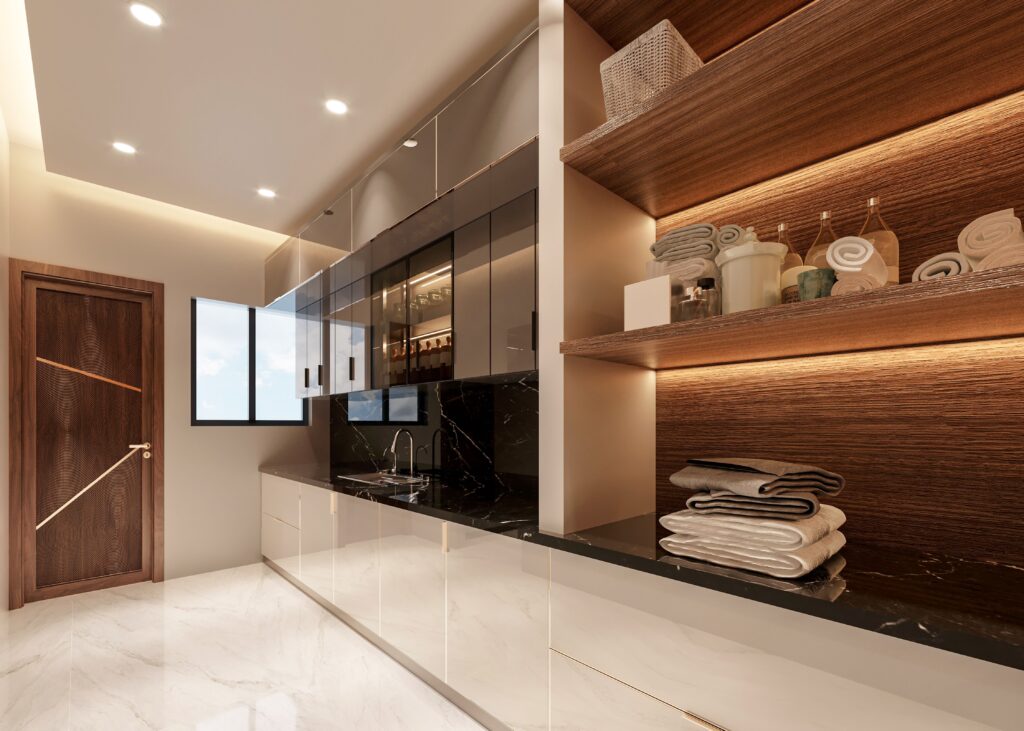
If you want an elegant and sophisticated look, consider a modern luxury design.
Premium textures, stylish lighting, statement furniture, elegant wall treatments, metallic accents, and customized furniture can create a luxurious appearance.
The key is to maintain balance rather than overcrowding the room.
4. Small Room Interior Design
Designing a small room requires careful planning.
Use:
- Multifunctional furniture
- Wall-mounted storage
- Light colors
- Mirrors
- Vertical storage
- Space-saving furniture
- Minimal décor
These solutions can help create the perception of a larger and more open room.
Bedroom Interior Designing: Create Your Personal Retreat
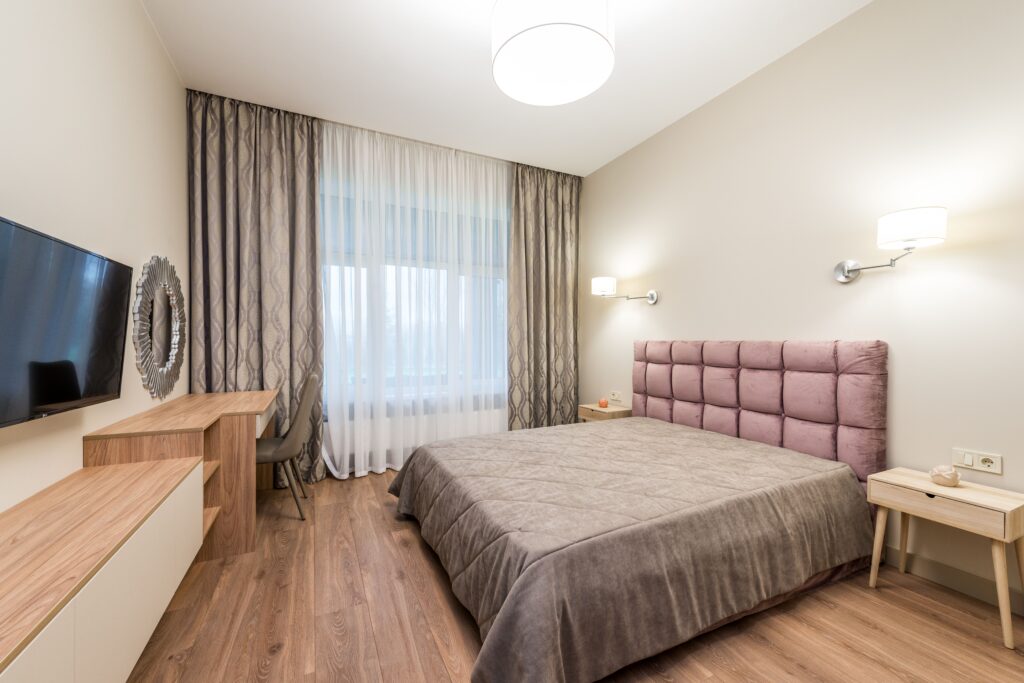
The bedroom should be one of the most comfortable spaces in your home.
A good bedroom interior design should focus on relaxation, functionality, and personal style.
Consider incorporating:
Comfortable Bed
Choose a bed size and design that fits the room without making movement difficult.
Smart Wardrobe
A customized wardrobe can provide adequate storage while complementing the overall interior.
Ambient Lighting
Warm and layered lighting can create a relaxing atmosphere.
Bedside Storage
Bedside tables, floating shelves, or compact storage units can provide convenient access to everyday items.
Soothing Colors
Neutral and soft shades can help create a calm visual environment.
Living Room Interior Designing
The living room is often the first space your guests experience, making its design particularly important.
A well-planned living room should provide enough seating while maintaining comfortable movement throughout the space.
Some useful living room interior design ideas include:
- Choose furniture according to the room size.
- Create a focal point using a TV unit, artwork, accent wall, or statement lighting.
- Use rugs to visually define areas.
- Combine ambient, task, and decorative lighting.
- Add plants and décor for warmth.
- Avoid overcrowding the space.
The right combination of furniture, lighting, colors, and accessories can create a living room that feels both stylish and welcoming.
How to Plan Your Room Interior Designing Project
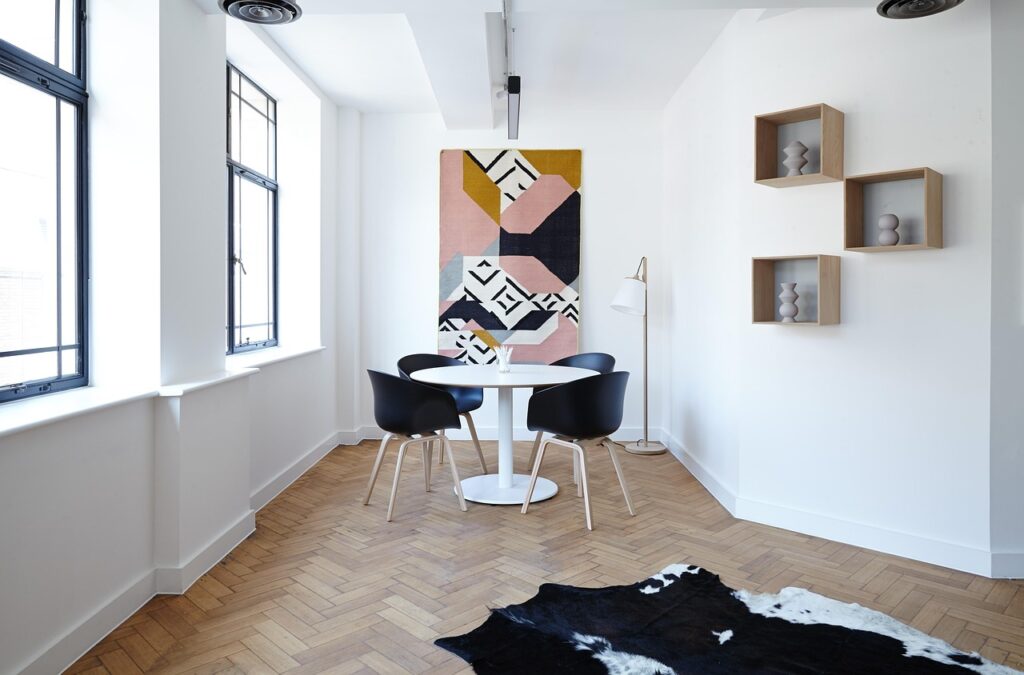
Before purchasing furniture or selecting colors, create a proper plan.
Step 1: Understand Your Requirements
Think about how you use the room and what you want to achieve.
Do you need more storage? A work-from-home area? A larger seating arrangement? A children’s study corner?
Your requirements should determine the design.
Step 2: Measure the Space
Take accurate measurements of the room, including doors, windows, electrical points, and other fixed elements.
This helps prevent furniture from being too large or creating movement problems.
Step 3: Select a Design Style
Choose an overall design direction before purchasing individual items.
This ensures that colors, furniture, materials, and décor work together.
Step 4: Plan the Budget
Create a realistic budget for furniture, materials, lighting, décor, and execution.
Prioritize essential elements first and then allocate the remaining budget to decorative upgrades.
Step 5: Plan Lighting
Lighting can completely change the appearance of a room.
Use a combination of general lighting, task lighting, and accent lighting wherever appropriate.
Step 6: Add Personal Touches
Finally, add elements that make the space feel like yours—family photographs, artwork, books, plants, collectibles, or other meaningful accessories.
Common Mistakes to Avoid in Room Interior Designing
Even beautiful design ideas can fail when they are not planned properly.
Avoid Overcrowding
Too much furniture can make a room feel smaller and uncomfortable.
Don’t Ignore Lighting
A poorly lit room can look dull regardless of how expensive the furniture is.
Don’t Choose Trends Over Functionality
Trendy designs can look attractive, but your room should ultimately work for your lifestyle.
Avoid Too Many Colors
Using too many colors without a cohesive plan can make the space visually chaotic.
Don’t Ignore Storage
Insufficient storage often leads to clutter. Plan storage during the design stage instead of adding it later.
Should You Hire a Professional Interior Designer?
While DIY interior design can work for simple projects, professional interior designers can help you make better use of space, coordinate materials, plan layouts, and avoid expensive mistakes.
An experienced designer can understand your requirements and create a cohesive design based on your space, lifestyle, aesthetic preferences, and budget.
Professional guidance can be particularly useful for complete home renovations, modular kitchens, customized wardrobes, and projects involving multiple rooms.
Final Thoughts
Good room interior designing is not about spending the most money. It is about making smart design decisions.
The right combination of space planning, furniture, colors, lighting, storage, and décor can transform an ordinary room into a space that feels comfortable and reflects your personality.
Whether you want a minimalist bedroom, a modern living room, a luxurious space, or a practical small-room solution, thoughtful planning is the foundation of a successful interior.
Ready to transform your room? Start by understanding your space, defining your style, setting your budget, and working with an experienced interior design professional to bring your vision to life.
Frequently Asked Questions About Room Interior Designing
What is room interior designing?
Room interior designing is the process of planning the layout, furniture, colors, lighting, storage, materials, and décor of a room to make it functional and aesthetically appealing.
How do I choose the right interior design for my room?
Consider your room size, lifestyle, storage requirements, preferred colors, budget, and personal style. A professional interior designer can also help you select a suitable design direction.
How can I make a small room look bigger?
Use light colors, multifunctional furniture, mirrors, vertical storage, appropriate lighting, and minimal décor to create a more spacious appearance.
What are the latest room interior design trends?
Current interiors commonly emphasize functionality, natural textures, personalized spaces, smart storage, clean layouts, and comfortable living rather than purely decorative design.
Is hiring an interior designer worth it?
For larger or complex projects, an interior designer can help with space planning, material selection, budgeting, coordination, and execution, potentially reducing costly design mistakes.
How much does room interior designing cost?
The cost depends on factors such as room size, design complexity, materials, furniture, customization, and execution requirements. A professional consultation can provide a more accurate project estimate.
Ready to Design Your Dream Room?
Let’s turn your ideas into a space you’ll love living in.
Book a consultation with our interior design experts today.
[GET A FREE CONSULTATION]